
EcoMur DFC™: Direct Flue-Gas Carbonation
We don’t separate CO2 from the gas. The flue gas is cleaned and goes straight into the material.
The process
One pass: gas in, material out
- 1Flue gasStraight from the plant’s stack, from 10% CO2. No CO2 capture plant in between.
- 2Gas cleaningThe gas is filtered before it reaches the material.
- 3MixingStraw or other agricultural residue, quicklime and water are mixed into an even mass.
- 4Pressing and carbonation, 10 minutesThe mix is pressed in a mould and the gas passes through it right there. The CO2 binds into the material.
- 5MaterialA block or panel. The rest of the gas goes back into the stack.
What is different
Four things other routes cannot do
No capture plant
No separate unit to capture and compress CO2. It is the most expensive part of other routes, and we skip it.
Flue gas from 10% CO2
No CO2 capture or concentration: the module works with the plant’s own flue gas.

A 10-minute cycle
Carbonation takes minutes, not days of curing.
Any CO2 source
Cement, metals, power, chemicals, biogas. What matters is the CO2 in the gas, not the industry.
Compared with other routes
Every way to deal with CO2 has a payer
A comparison of CO2 utilisation technologies.
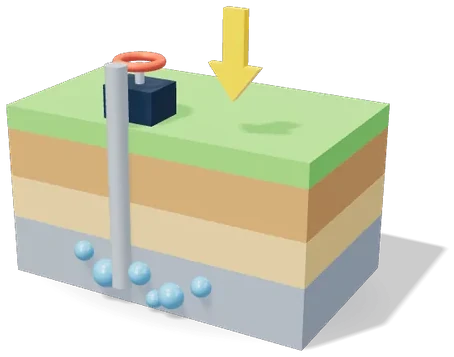
Storing CO2 underground
- What comes out
- Nothing to sell. The gas is pumped into rock.
- Who pays
- The emitter or the state, for every tonne.
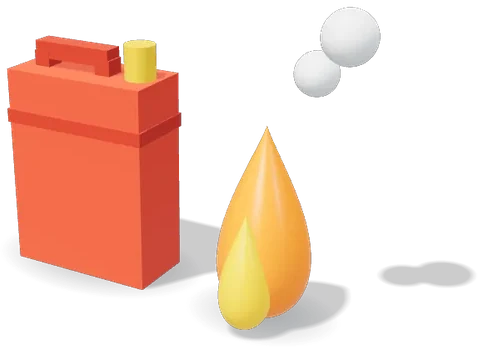
Fuel from CO2
- What comes out
- Synthetic fuel. The carbon returns to the air when it burns.
- Who pays
- Fuel buyers pay a premium, usually with subsidies.
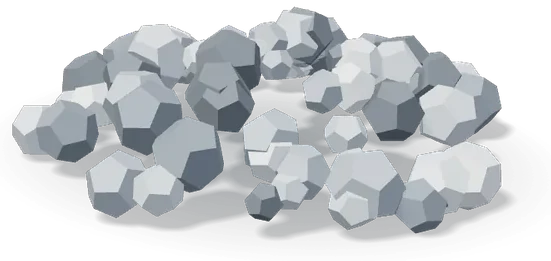
Mineralising industrial waste
- What comes out
- Aggregates and fillers from slag or ash.
- Who pays
- Low-value products, so the margin is thin.
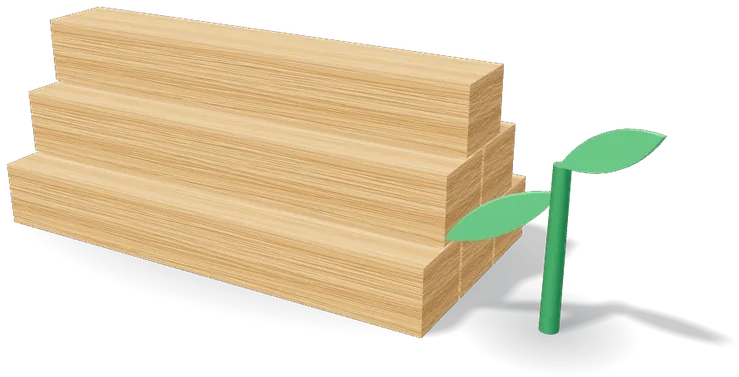
Bio-based building materials
- What comes out
- Timber, hemp and straw products that keep plant carbon.
- Who pays
- The buyer of the building. The plant’s own CO2 stays untouched.
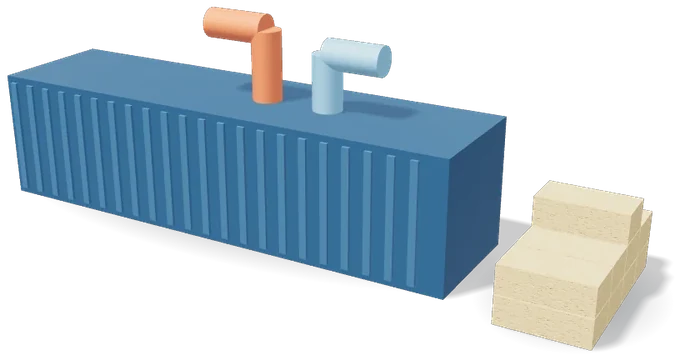
EcoMur DFC™
- What comes out
- Building materials that hold both plant carbon and the plant’s CO2.
- Who pays
- The material pays. The emitter pays nothing.
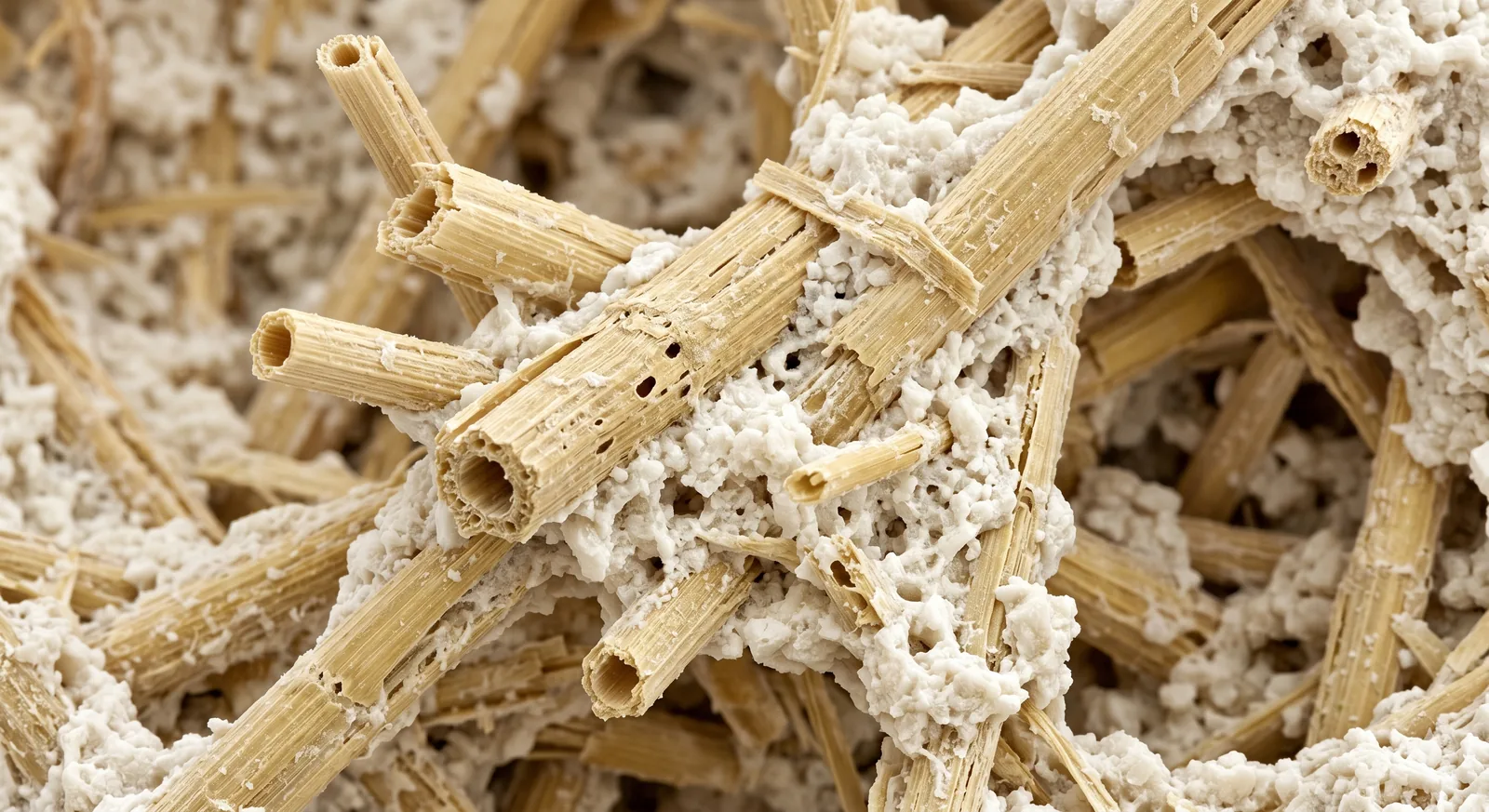
Two kinds of carbon
Two kinds of carbon in one material
So the same tonne is never counted twice.
How long the carbon stays
Climate potential
How much CO2 the technology can lock away
Wall materials are made in enormous volumes, and almost all of them with emissions today.
The potential of EcoMur DFC™ is more than 8 times the capacity of every carbon capture and storage project operating in the world today.
For comparison, Mt CO2 a year
Other solutions: what operates today, after Global CCS Institute, 2025 and The State of CDR, 2026. EcoMur DFC™ potential: our own modelling.
Beyond the climate
Good for the economy too
Plants stay open
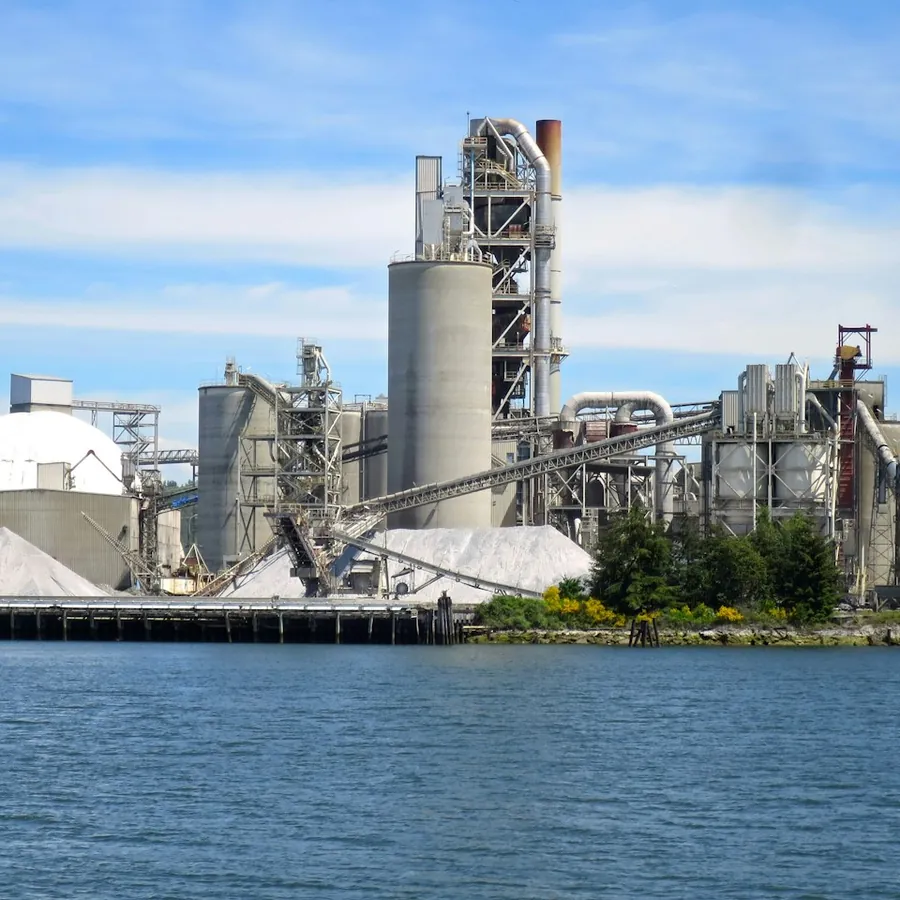
The module does not close plants. It makes the ones we have cleaner.
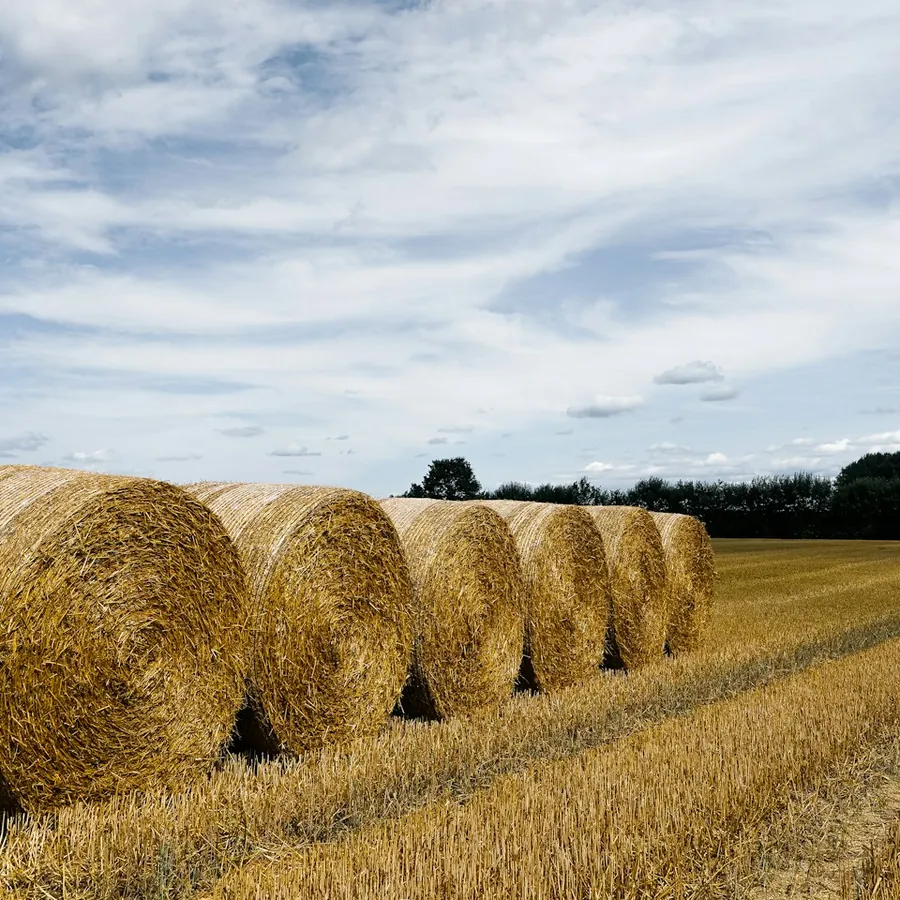
Income for farms
Straw and other residues become a product that nearby farms can sell.
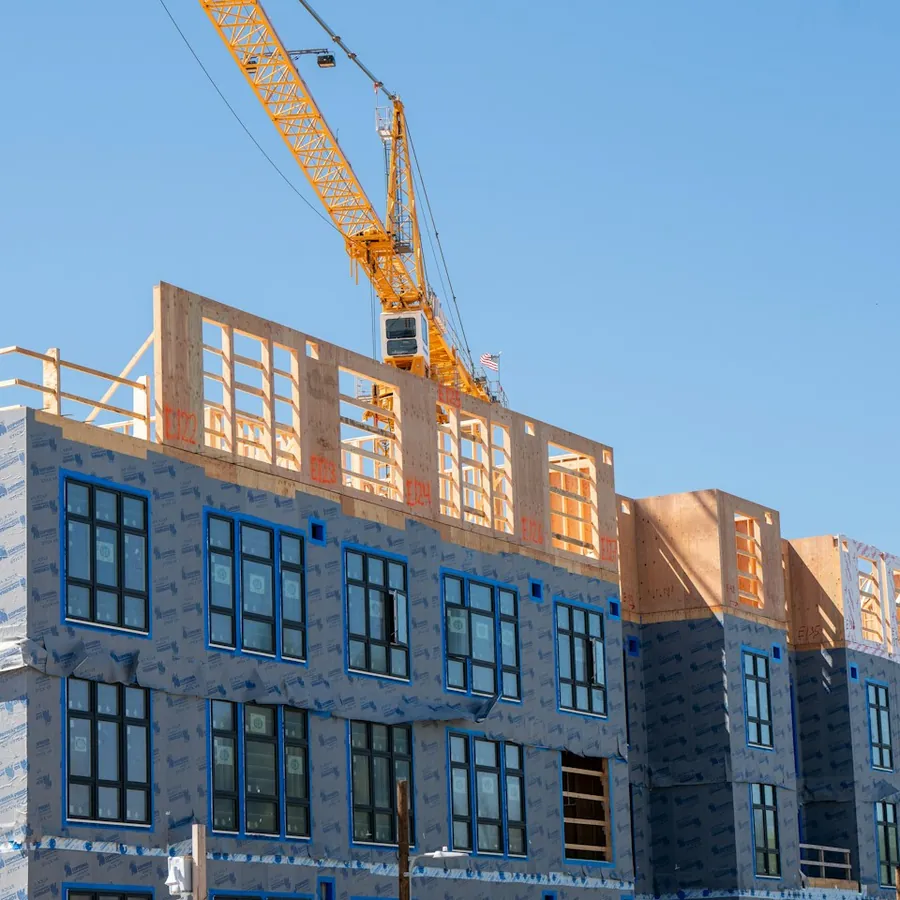
A rebuild to EU norms
Ukraine can rebuild to EU norms from day one.
Economics
Why the technology pays for itself
Selling the materials covers everything: the module, the raw materials and the CO2 utilisation. The cost stays low because of how the process is built.
The cost of EcoMur DFC™
The most expensive parts of other CO2 routes are simply not in it.
Not in it
- A CO2 capture plant
- Compressing, transporting and storing CO2
- Paying for the CO2 or the site
- An autoclave, steam or days of curing
- Building a factory
What is in it
- Straw from nearby fields
- Quicklime and water
- Automation
- A very short process
- Low energy use
Straw: cheap, renewable and close by
- A by-product of grain farming that comes back with every harvest.
- It is close to almost every plant, so the raw material does not travel far.
- There is plenty of it: even at full potential the technology would use about a third of the agricultural residues available.
Revenue comes from selling wall materials. Carbon credits and regulatory support are a bonus, not a condition.
Send us your gas composition
We will tell you what the module can do with it.